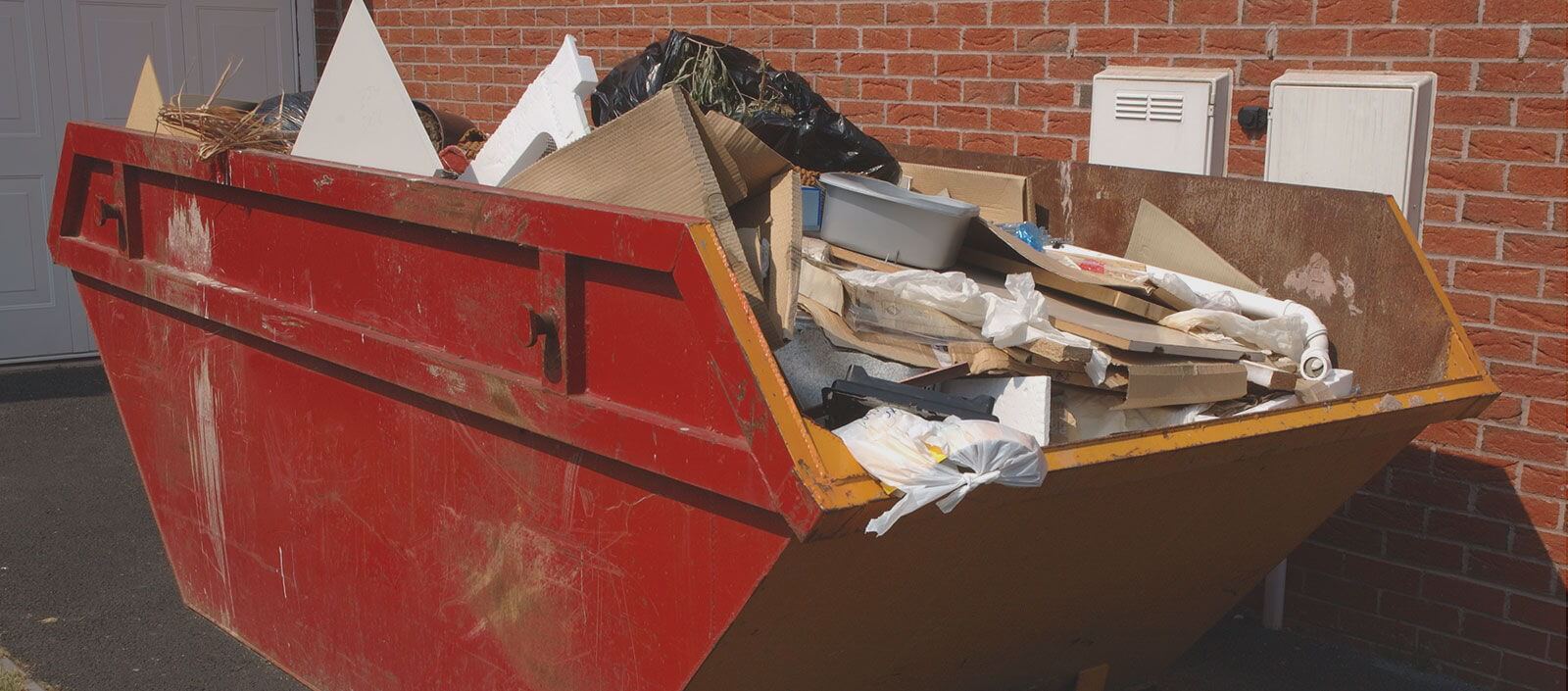
Avoid common rubbish removal mistakes in Hounslow estates
Posted on 08/07/2026
Avoid common rubbish removal mistakes in Hounslow estates: a practical local guide
If you live on, manage, or clear a Hounslow estate, rubbish removal can go wrong in surprisingly ordinary ways. One missed booking note, one bulky item left by the bins, one access problem, and suddenly you are dealing with complaints, delays, or extra costs. The good news? Most of the common rubbish removal mistakes in Hounslow estates are avoidable once you know what to look for. In this guide, we will walk through the practical stuff that actually matters: access, timing, tenant communication, bulky waste, compliance, and how to keep the whole process smooth without turning it into a week-long headache.
To be fair, estates have their own rhythm. Lifts are shared, parking is tight, bin stores get busy, and people are not always on the same page. That is exactly why a bit of planning goes a long way.
Why Avoid common rubbish removal mistakes in Hounslow estates Matters
Estate rubbish removal is not just a tidy-up job. It affects safety, neighbour relations, resident satisfaction, and sometimes even whether a site looks cared for or neglected. On busy estates in Hounslow, waste can quickly become visible: a mattress by the wrong bin store, a broken wardrobe left near a fire exit, or builders' rubble tucked behind a hedge. People notice. And once they notice, the mood changes.
That matters for landlords, housing associations, managing agents, and residents alike. Poorly handled waste can create trip hazards, attract pests, block access routes, and cause friction between neighbours. It can also lead to extra collection charges if the job is misdescribed, underbooked, or rushed. In our experience, the most expensive rubbish jobs are rarely the biggest ones; they are the ones that were planned badly.
There is also a practical reputation angle. If you are responsible for a block or estate, regular waste issues make the whole place feel harder to live in. Clean shared spaces send a simple signal: someone is on top of things. That counts for a lot, especially where residents are juggling work, family, deliveries, and the usual London pace.
And yes, one rogue sofa left by the bins can undo a week of otherwise decent housekeeping. Annoying, but true.
If you want the wider local context on how different parts of the borough are lived in and managed, these Hounslow local insights are a useful companion read.
How Avoid common rubbish removal mistakes in Hounslow estates Works
Good estate rubbish removal starts long before the truck turns up. It begins with identifying what needs moving, where it is located, how accessible it is, and whether the waste stream is mixed or separated. A simple single-item removal is one thing. An estate clearance with communal access, multiple floors, and different resident needs is another matter entirely.
The process usually follows a few stages:
- Assess the waste - what type of rubbish is it, how much, and who owns it?
- Check access - lifts, stairwells, parking, gates, loading points, and time restrictions.
- Plan timing - avoid peak resident movement where possible, and think about bin collection days.
- Confirm disposal rules - some items need special handling, such as fridges, mattresses, or construction debris.
- Book the right service - domestic, bulky waste, builders waste, house clearance, office clearance, or a wider waste removal visit.
- Carry out the collection safely - with clear communication and minimal disruption.
The point is not just to remove rubbish. The point is to remove it cleanly, legally, and without creating a new problem in the process. That sounds obvious, but estates are where obvious things get complicated.
If you are trying to compare what different services cover, the services overview is a helpful place to understand the wider scope before you book.
Key Benefits and Practical Advantages
When rubbish removal is handled well on an estate, the gains are immediate and very visible. You avoid the awkward pile-up outside bin stores, residents complain less, and the whole site feels more manageable. Small win, big difference.
- Cleaner shared spaces: communal walkways, bin areas, and entrances stay usable.
- Fewer complaints: residents are less likely to report missed collections or eyesores.
- Lower risk: fewer trip hazards, less fly-tipping temptation, and better fire safety awareness.
- Better cost control: fewer wasted callouts, fewer failed collections, and less repeat handling.
- More predictable scheduling: planned removals fit around estate routines instead of interrupting them.
- Improved resident trust: people notice when waste is dealt with properly.
There is also a quieter benefit that gets overlooked: less admin. If you have ever had to chase photos, access instructions, parking permissions, and half a dozen messages from different residents, you know how quickly one small waste job can snowball. Better planning reduces that mess.
For cost-conscious readers, it may also help to review pricing and quote guidance before you arrange a job. Knowing what affects pricing makes decisions much easier.
Who This Is For and When It Makes Sense
This guide is for anyone who has to deal with estate waste in Hounslow and wants fewer surprises. That includes housing officers, block managers, landlords, resident committee members, caretakers, tenants, and homeowners in shared developments. It is also useful for tradespeople who are clearing up after a job and need to avoid leaving a mess behind.
It makes sense to apply these tips when:
- there is a bulky item left in a communal area
- a flat needs a clear-out after a move or refurbishment
- garden waste is building up around shared outdoor space
- builders' rubble or packaging needs removing after work
- an estate has limited access, parking issues, or lift restrictions
- there is a pattern of repeated dumping near bins
Not every job is complicated, of course. Some are straightforward. But estates have a habit of turning the straightforward into something awkward if nobody checks the basics. Have you ever seen a sofa parked halfway down a corridor because everyone assumed someone else had arranged collection? Exactly that sort of thing.
For broader local reading on the area and how people live here day to day, you may also find this different side of Hounslow useful.
Step-by-Step Guidance
1. Identify exactly what needs removing
Start by separating what is going, what is staying, and what might be recyclable or reusable. One of the biggest mistakes is assuming "a bit of rubbish" is enough detail. It rarely is. A single mattress is not the same as a mixed estate clear-out with furniture, appliances, and bags of general waste.
2. Check access before you book
Measure stairwells if needed, confirm lift availability, and think about parking or loading points. Estates in Hounslow can have awkward corners, narrow entrances, and limited stopping space. If the team cannot park nearby or carry items safely, the job slows down. Sometimes a lot.
3. Decide on the best time slot
Try to avoid peak resident movement, school runs, and bin-store traffic where possible. Evening or weekend slots may suit some estates better, which is why some people look into night and weekend collection options. If the job is time-sensitive, that flexibility can really help.
4. Tell residents what is happening
If the waste is in a shared area, say when it will be removed and what must not be left beside it. A simple notice or message can prevent fresh clutter from appearing around the pile. You would be surprised how often a cleared area gets refilled within an hour because nobody knew it was meant to stay clear.
5. Match the service to the waste type
Domestic bag waste, bulky furniture, white goods, builders' debris, and office clearance material all need different handling. Using the wrong service causes delays and can lead to misquoted prices. If you are unsure, check a relevant service page such as furniture disposal or builders' waste disposal rather than guessing.
6. Confirm how the waste will be disposed of
Good providers should separate recyclable material where practical and dispose of waste responsibly. That does not mean every item gets a second life, but it does mean the process should not be random. If sustainability matters to you, it is worth reading about recycling and sustainability practices.
7. Keep a clear record
For managed estates, keep a short note of what was removed, when, and why. It saves time later if a resident queries a missing item or asks when a problem was resolved. Small admin habits like this are boring. Also useful. Very useful.
Expert Tips for Better Results
Here is the bit that often makes the biggest difference in real life: treat rubbish removal like a coordination task, not a disposal task. The disposal part is the end result. The coordination is what keeps everyone sane.
- Group similar items together so the job can be assessed quickly and honestly.
- Photograph bulky waste before booking. It helps avoid misunderstandings.
- Leave a walkway clear for removal teams, especially in stairwells and bin store areas.
- Flag restricted access early if there are gates, coded doors, or concierge rules.
- Plan around weather if the estate has exposed loading points or outdoor storage.
- Keep an eye on hidden extras such as parking, difficult access, or unexpected item types.
One very practical tip: if an item is awkward to move, it is usually awkward to price too. A bent sofa in a tight corridor is not the same as a sofa sitting by the lift. That kind of detail matters more than people think.
If you want to understand how to avoid surprise charges, this guide on hidden rubbish removal fees in Hounslow TW3 is worth a look.
And if the job involves especially bulky items, the practical advice in bulky rubbish clearance tips for Hounslow West is a good follow-up.

Common Mistakes to Avoid
This section is the heart of it. Most estate rubbish problems come from a handful of repeat errors.
1. Leaving it until the last minute
Rushed jobs are where access gets forgotten, prices become uncertain, and residents get annoyed. A same-day fix can be fine, but as a habit it is costly.
2. Booking the wrong type of removal
A "general rubbish" booking is not always enough for mixed loads. Builders' waste, appliances, or heavy furniture may need a more suitable service.
3. Forgetting about access restrictions
Estates often have gates, concierge rules, resident parking bays, lift bookings, or height limits. If you miss one of those, the collection can fail before it starts. And then everyone has a story to tell.
4. Assuming one item is easy because it is small
Small items can still be awkward if they are in a loft, behind a locked door, or in a top-floor flat with no lift. Location matters almost as much as size.
5. Mixing recyclable and non-recyclable items without thinking
It is not always a disaster, but it can make sorting slower and less efficient. A bit of pre-sorting helps a lot.
6. Not telling residents what to expect
Nothing creates friction faster than people finding their route blocked because a waste job was done without notice. Even a short message can prevent that.
7. Ignoring compliance questions
Not every provider follows the same standards. If you need reassurance about licensing, handling, or safe disposal, take a moment to review waste carrier licence and compliance information.
8. Underestimating delays
Traffic, access issues, and loading restrictions can all slow things down. If your estate is busy, allow a little breathing room. Truth be told, most jobs are easier when people do not plan every minute to the second.
Tools, Resources and Recommendations
You do not need a complicated toolkit to manage estate rubbish well. A few simple things help more than flashy systems.
- Phone camera: for before-and-after photos and quick item checks.
- Shared message group or noticeboard: useful for resident communication.
- Basic site notes: access codes, parking limits, lift availability, and collection windows.
- Checklists: to stop key details slipping through the cracks.
- Clear item labels: especially helpful for mixed clear-outs or resident-led tidy-ups.
For larger clearances, it can help to think in service categories. A house clearance is different from a loft clearance. Office furniture and domestic clutter are not the same either. If you want to see how these jobs are separated in practice, pages like house clearance, loft clearance, and office clearance can help you choose more confidently.
For customers who want to understand how quotes are handled and what usually affects the final figure, the pricing and quotes page is another useful reference. No one likes surprises, especially not on a Monday morning.
Law, Compliance, Standards, or Best Practice
Estate rubbish removal needs to be sensible as well as efficient. In the UK, waste must be handled responsibly, and anyone arranging disposal should take care that the waste goes to an appropriate, lawful destination. If you are a manager, landlord, or committee member, that means checking who is collecting the waste and whether they present themselves as a legitimate carrier.
Good practice also means thinking about duty of care, safe access, and resident welfare. You do not need to be an expert in waste legislation to make good decisions, but you do need to be alert to warning signs: vague pricing, no paperwork, no clear service description, or reluctance to explain where waste goes. That kind of thing should make you pause.
For estate teams, best practice usually includes:
- keeping waste routes clear for emergency access
- avoiding overfilling communal bins
- booking appropriate removals for bulky items
- recording incidents of fly-tipping or repeated dumping
- using insured, compliant providers for removals
If you are comparing service standards or want to understand the company's commitments in more general terms, insurance and safety, about us, and terms and conditions are sensible pages to review before deciding.
Options, Methods, or Comparison Table
Different estate waste problems need different approaches. The right method depends on the amount, item type, urgency, and access. Here is a simple comparison.
| Method | Best for | Pros | Watch-outs |
|---|---|---|---|
| Scheduled communal collection | Regular estate waste, bin-area overflow, predictable rubbish | Easy to plan, low disruption, works well for routine issues | Not ideal for urgent bulky items or one-off clear-outs |
| Bulky item removal | Sofas, wardrobes, mattresses, appliances | Fast, targeted, less handling for residents | Needs accurate description and access details |
| Full clearance service | End-of-tenancy, void flats, large storage areas | Covers mixed loads, useful for bigger jobs | More planning needed; price depends on volume and complexity |
| Specialist waste disposal | Builders' waste, white goods, mixed heavy items | Better handling of specific waste streams | Booking the wrong category can cause delays |
If you are dealing with household items or appliances, the most relevant starting points are usually domestic waste collection and white goods and appliance disposal. For mixed rubbish and more general estate jobs, rubbish collection or waste removal may be the better fit.
Case Study or Real-World Example
Picture a typical Hounslow estate on a damp Tuesday morning. A tenant has moved out, a wardrobe is left in the corridor, a mattress is propped near the bin store, and a couple of black bags have appeared beside the entrance. Nothing dramatic. Just enough to make the place feel a bit tired.
The first instinct is often to ask for a quick collection. Fair enough. But if nobody checks access first, the job can stall because the lift is booked for the morning, the parking space is blocked, and residents are using the same entrance for school and work traffic. Suddenly the "quick" job becomes three separate conversations and an avoidable delay.
Now compare that with a better approach. The estate team identifies the items, confirms the lift schedule, sends a short resident notice, and books a suitable collection window. The bulky furniture is removed in one visit, the bin area is left clear, and the corridor is back to normal by lunchtime. Nothing glamorous. Just calm, competent admin.
That is really the lesson: most rubbish removal wins are quiet ones. You barely notice them because they went right.
Practical Checklist
Use this checklist before booking any estate rubbish removal job in Hounslow:
- Have you identified exactly what needs removing?
- Do you know whether the waste is domestic, bulky, builders', or mixed?
- Have you checked lift access, stair access, and parking?
- Is there a time restriction, concierge rule, or resident-sensitive period?
- Have residents been told when the area needs to stay clear?
- Have you photographed the waste if there is any doubt?
- Is the item likely to need specialist handling, such as a fridge or mattress?
- Have you checked pricing factors, including access and volume?
- Do you know who is responsible for the booking and sign-off?
- Have you chosen a compliant, insured provider?
If you can tick most of those off, you are already ahead of the usual problems. Not perfect. Just well prepared. And that is usually enough.
Conclusion
Avoiding common rubbish removal mistakes in Hounslow estates is mostly about planning, clarity, and a bit of common sense. Check access before you book. Match the service to the waste. Tell people what is happening. Keep an eye on compliance and timing. It sounds simple, but those basics are what stop the job from spiralling into delays, complaints, and extra cost.
For estate managers and residents alike, the goal is not just a clear area. It is a smoother, safer place to live and work. When rubbish is handled well, everything else feels easier too.
Get a free quote today and see how much you can save.