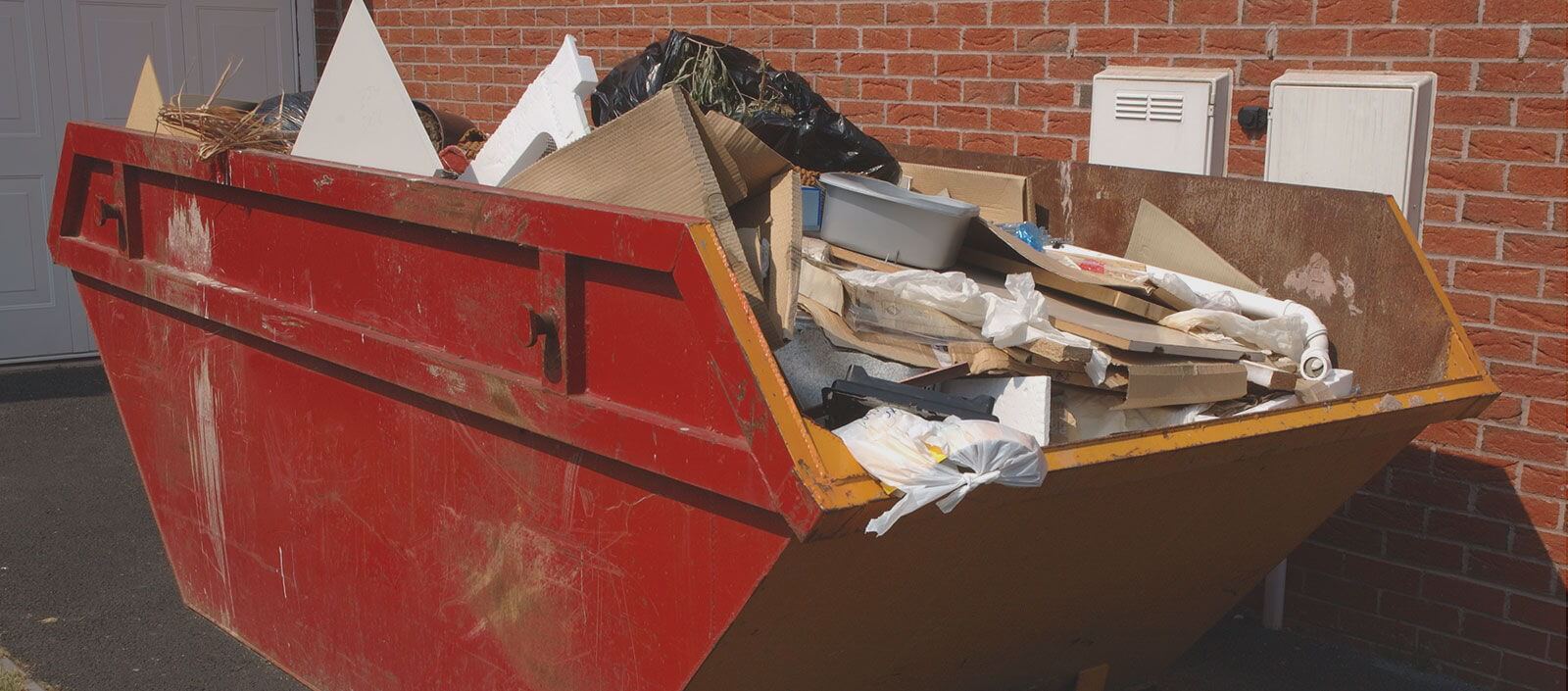
Hounslow fines and penalties for illegal rubbish dumping explained
Posted on 10/09/2026
If you have ever left a bag beside a full bin, dumped a mattress "just for now," or inherited fly-tipped waste outside a property, you will know how quickly a small rubbish problem can become a proper headache. In Hounslow, illegal dumping is taken seriously, and the cost is not always just financial. The practical realities matter too: complaints, clean-up pressure, evidence checks, and the stress of dealing with a council or enforcement notice when you least want it.
This guide gives a clear, grounded explanation of Hounslow fines and penalties for illegal rubbish dumping explained. We will cover how enforcement usually works, what penalties can follow, what makes people get caught out, and how to handle waste legally without overcomplicating it. If you are a homeowner, tenant, landlord, trader, or business owner, this is the sort of page that helps you avoid a very expensive "I didn't realise" moment.
And yes, the difference between a lawful clearance and an illegal dump can be surprisingly small in day-to-day life. A missed licence check, a careless contractor, or a bit of bad timing can be enough. Let's unpack it properly.

Why Hounslow fines and penalties for illegal rubbish dumping explained Matters
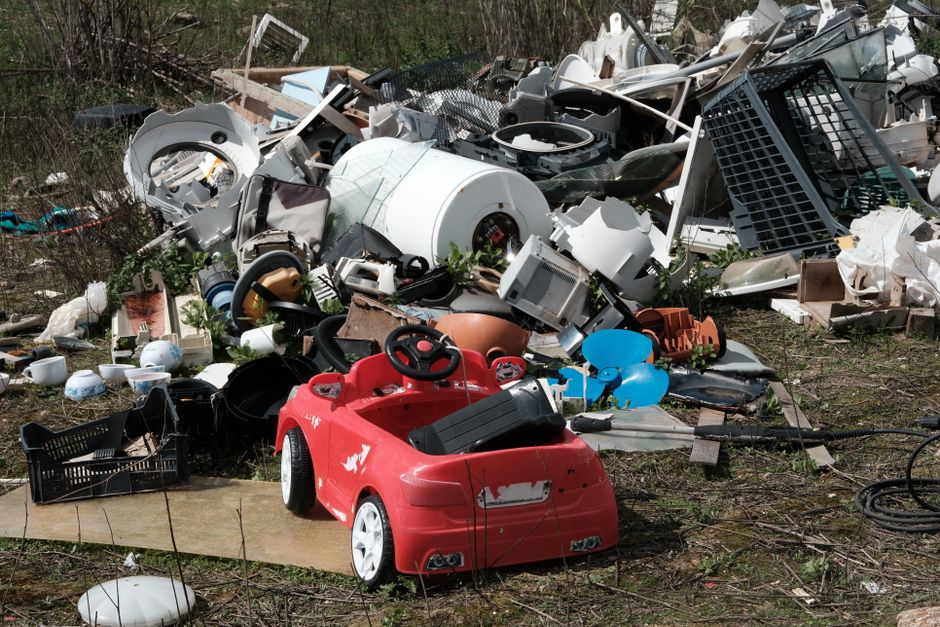
Illegal dumping, often called fly-tipping, is not just an eyesore. It can block pavements, attract vermin, create safety risks, and add costs to households, landlords, shops, and the wider community. In a busy borough like Hounslow, where estates, high streets, flats, and mixed-use areas all sit close together, the effects can spread fast. One dumped sofa can turn into a pile of mixed waste within a day or two. You know how it goes.
The big reason this topic matters is simple: people often assume rubbish disappears quietly if they leave it somewhere convenient. In reality, enforcement can follow if the waste is traced back to them, and even where no prosecution happens, there can still be fixed penalties, removal costs, and time lost explaining what happened. For businesses, the reputational hit can be worse than the initial fine. For residents, it can mean a frustrating cycle of complaint, investigation, and removal delays.
It also matters because many illegal dumping cases are accidental or "half-conscious" decisions rather than deliberate criminal behaviour. A tenant puts out a wardrobe too early. A builder leaves rubble near a skip because access changed. A trader hands waste to an unlicensed carrier. None of that feels dramatic in the moment, but enforcement does not usually care much about intentions once the facts are clear.
If you are already trying to understand how local disposal works, it may help to read the local rules for domestic rubbish disposal in Hounslow alongside this guide. The two topics overlap more than people realise.
How Hounslow fines and penalties for illegal rubbish dumping explained Works
At a practical level, enforcement usually starts with an observation, complaint, or report of waste being left in the wrong place. That could be bags on a street, broken furniture in a communal area, builder's waste dumped near a boundary, or commercial waste abandoned after a clearance job. From there, an officer may look for clues such as labels, delivery slips, letters, CCTV, vehicle registrations, or witness statements.
The way penalties work depends on the seriousness of the incident and who is believed to be responsible. Not every case ends in court. Some cases may be dealt with through fixed penalties, while others are escalated if the waste volume is large, the dumping was repeated, or there is evidence of organised behaviour. In plain English: a single careless mistake may lead to one response, while a pattern of dumping can trigger a much firmer one.
There are also different layers of responsibility. The person who dumped the waste is obvious enough, but liability can stretch further. A landlord, business owner, tenant, householder, or contractor may need to show they took reasonable steps to check who was collecting the rubbish and how it would be removed. That point catches people out all the time, especially if they handed waste to a "cheap man with a van" and assumed everything was fine. Cheap is lovely until it isn't.
Another important detail is that fly-tipping investigations often involve paperwork and proof. If you can show a valid collection arrangement, a proper invoice, or confirmation that the waste was handled by a compliant operator, that can matter a great deal. For anyone wanting to understand those checks better, waste carrier licence and compliance is a useful place to start.
| Situation | Likely risk | Why it matters |
|---|---|---|
| Leaving rubbish beside a full communal bin | Fixed penalty or investigation | It may be treated as unlawful disposal, especially if it obstructs access |
| Using an unlicensed waste collector | Enforcement against the waste producer | You can still be responsible if the waste is traced back to you |
| Dumping builders' debris after a job | Higher likelihood of escalation | Construction waste is often taken more seriously because of scale and safety issues |
| Repeated dumping in the same spot | Stronger enforcement response | Patterns can suggest deliberate behaviour, not an isolated mistake |
Key Benefits and Practical Advantages
Talking about fines may sound negative, but there is a positive side to understanding how enforcement works. Once you know the rules, waste management becomes simpler, cheaper, and less stressful. You stop guessing. You stop taking unnecessary risks. And you start making decisions that protect your time as much as your wallet.
Here are the practical advantages of getting this right:
- Lower financial risk - avoiding fines, removal charges, and repeat collection costs.
- Less hassle - no chasing after a contractor who vanished with your rubbish money.
- Cleaner communal spaces - especially useful for flats, estates, and shared access routes.
- Better tenant and contractor control - helpful for landlords and managing agents.
- Stronger compliance records - useful if the council ever asks questions later.
- Better recycling outcomes - waste sorted properly is usually easier to divert from landfill.
There is also a less obvious benefit: peace of mind. If you have ever walked past a fly-tipped pile first thing on a wet Monday morning, with cardboard soaked through and a smell building already, you will know the feeling. Proper disposal avoids that entirely. It sounds simple because it is simple, really. But people do still get it wrong.
For a broader look at the practical side of choosing proper disposal over shortcuts, see recycling and sustainability guidance and the wider services overview if you are planning a clearance or collection.
Who This Is For and When It Makes Sense
This guide is relevant to more people than you might expect. Illegal dumping and penalty issues are not just "council problems"; they affect everyday household disposal, trade waste, tenancy moves, refurbishments, office clear-outs, and post-event clean-ups. In Hounslow, that matters because the area has a genuine mix of housing and commercial activity. A Friday night party spillover, a Sunday flat move, and a Tuesday shop refit all create different waste pressures.
You will find this especially useful if you are:
- a homeowner clearing furniture or bulky items
- a tenant leaving a property and trying to avoid deposit issues
- a landlord or letting agent managing end-of-tenancy waste
- a builder or tradesperson handling rubble and site debris
- a business owner disposing of stock, packaging, or office furniture
- a facilities or estate manager dealing with communal waste misuse
It also makes sense if you are trying to compare lawful removal options, especially where access is awkward or timing is tight. For example, a basement flat in Hounslow is not the same as a ground-floor office near a main road. You might need a collection method that fits stairs, narrow hallways, or parking restrictions. In those cases, restricted-access rubbish job advice for Hounslow flats can be surprisingly helpful.
Step-by-Step Guidance
If you want to avoid illegal dumping problems, the best approach is to slow the process down a bit and check each decision point. It only takes a few minutes, but those minutes can save you a lot of grief later.
- Identify the waste clearly. Is it household rubbish, furniture, garden cuttings, builders' rubble, electricals, or something mixed? Mixed waste is usually where people run into trouble.
- Separate what can be reused or recycled. You do not need to overthink it, but furniture, white goods, and cardboard often have different handling routes.
- Check whether a local collection option exists. If the waste is domestic and manageable, a compliant collection service may be the easiest route.
- Ask who is taking the waste and how. If it is a contractor, make sure they are authorised to carry waste and can explain where it will go.
- Keep a record. Save invoices, messages, or booking confirmations. If anything is questioned later, proof helps.
- Avoid leaving waste in shared or public spaces. Even "temporarily" can be treated as abandonment if it is not authorised.
- Respond quickly if waste is dumped on your property. Report it, document it, and arrange legitimate removal without delay.
That last point matters more than people think. If waste appears outside your property, do not automatically assume someone else will sort it out. Take photos, note the time, and keep anything that may help identify how it got there. Then arrange a lawful response. You do not want to be the person stuck with the bill because everyone assumed everyone else was handling it.
If you need a practical route for disposal after you have identified the waste, a local collection page like rubbish collection in Hounslow can be a good starting point, especially for everyday items and mixed household waste.
Expert Tips for Better Results
Experience tends to teach the same lessons over and over: most waste problems are caused by poor planning, not bad intentions. If you want to stay out of penalty territory, these tips are worth following.
- Always verify the carrier. If someone is offering waste removal at a very low price and cannot explain how they handle the waste, that is a red flag.
- Get the scope right before the job starts. Hidden extras and "surprise" items often tempt people into dumping waste themselves later. Avoid that chain reaction.
- Do not mix waste streams unless you have to. Builders' waste, white goods, green waste, and furniture are often easier to manage separately.
- Plan for access and timing. If parking is limited or your property has stairs, build that into the plan from the start.
- Use clear instructions for contractors and tenants. "Leave it outside" is vague and can go badly wrong if a boundary or communal area is involved.
A small but useful habit: keep a photo of the waste before collection and after collection. It sounds slightly fussy, I know, but when there is ever a dispute about what was removed, those photos can save a lot of back-and-forth.
And if you are comparing costs, make sure you understand what is actually included. A cheap quote is only cheap if it truly covers labour, loading, transport, disposal, and any access issues. The page on avoiding hidden rubbish removal fees in Hounslow TW3 is worth a read if you have been burned before. Many people have. Annoyingly often, too.
Common Mistakes to Avoid
The same mistakes come up again and again. Some are tiny. Some are expensive. A few are both.
- Assuming "someone else will pick it up". Waste left behind often becomes your problem if it was connected to your property or activity.
- Using a carrier without checking documentation. If waste is traced back to you, ignorance is not much of a shield.
- Dumping items near bins or gateways. Even if there is no obvious obstruction to you, enforcement may see abandonment.
- Leaving builders' debris after a job. Construction waste is bulky, visible, and easy to complain about. Not a great combo.
- Thinking small quantities do not matter. A single bag can still count as unlawful if it is dumped in the wrong place.
- Rushing end-of-tenancy clearance. If you are moving out late on a Sunday evening, it is easy to make a bad call. Try not to.
One of the trickiest mistakes is emotional, not practical: people get frustrated and try to "just clear it quickly" without checking the route. That is when fly-tipping incidents happen. A tired person, a full van, a narrow gate, and one shortcut too many - not exactly a glamorous recipe, but that is how these things occur.
If your issue involves bulky items, there is a useful local read on bulky rubbish clearance in Hounslow West, which can help you avoid the kind of missteps that lead to dumping in the first place.
Tools, Resources and Recommendations
You do not need a complicated toolkit to stay compliant. A few simple habits and resources will cover most situations.
- Phone camera - take quick photos of waste, access points, and collection confirmations.
- Notes app or folder - keep booking details, messages, and invoices together.
- Basic waste sorting area - even a small corner in a garage or yard can make disposal calmer and faster.
- Property management checklist - very handy for landlords and estate managers.
- Clear instructions for occupants or staff - simple, direct, and written down, not just shouted across a hallway.
From a local planning point of view, some of the most useful supporting pages are the ones that explain practical disposal routes rather than abstract policy. For example, if you are dealing with a house move or a property clean-out, house clearance in Hounslow, loft clearance, or office clearance may be more relevant than a generic search result.
For waste that is heavier or more awkward, the right route matters even more. A few examples:
- Builders' rubble usually needs a different handling plan than general household rubbish.
- White goods can involve lifting and safe separation from mixed loads.
- Garden waste is often best managed separately, especially when it is wet or bulky.
- Furniture often needs space, load planning, and careful handling through tight access.
If you are dealing with a renovation or site clean-up, see builders' waste disposal in Hounslow. For broken appliances, white goods and appliance disposal is the more sensible route.
Law, Compliance, Standards, and Best Practice
Without turning this into a legal lecture, the basic principle is straightforward: waste should be stored, transferred, and disposed of lawfully, and anyone producing waste has a duty of care to ensure it goes to the right place. In everyday terms, that means you should not hand waste to an unknown carrier, leave it in public areas, or assume a cheap informal deal is enough.
Best practice usually means four things:
- Check who is collecting the waste.
- Keep proof of transfer or booking.
- Sort waste responsibly where possible.
- Use a compliant disposal route, not a shortcut.
Where commercial waste is involved, the need for records becomes even more important. Offices, shops, landlords, and trades all have a stronger need to show that waste was managed correctly. That is not just about avoiding penalties; it is also about proving responsible operations. For business readers, commercial waste removal in Hounslow can be a more suitable solution than improvised disposal.
In practice, compliance is often less about memorising rules and more about building habits. If your team always books proper collection, keeps receipts, and refuses to leave waste on the kerb, you are already ahead of a lot of people. Really ahead.
Options, Methods, and Comparison Table
When people are trying to avoid illegal dumping, they usually have three broad options. Each has pros and cons. The right one depends on volume, access, urgency, and how much time you have available.
| Method | Best for | Pros | Watch out for |
|---|---|---|---|
| DIY disposal | Small, manageable amounts | Direct control, flexible timing | Time, vehicle access, sorting, and the risk of using the wrong facility or leaving waste behind |
| Compliant waste collection | Household, bulky, or mixed waste | Convenient, records provided, less physical effort | Choose carefully and check the quote details |
| Contractor-led clearance | Builders' waste, offices, large clear-outs | Efficient for bigger jobs, suitable for access planning | Needs good communication and clear scope |
To be fair, most people do not need the "perfect" method. They need the method that is least likely to go wrong on a busy day. That is why a reliable collection option often beats trying to improvise with a van, a friend, and a prayer.
Case Study or Real-World Example
Here is a realistic scenario. A landlord in Hounslow finishes an end-of-tenancy clean-out after a tenant leaves behind a broken wardrobe, some black bags, and an old microwave. The first thought is usually, "We just need this gone." Fair enough. But instead of leaving it outside or asking a casual contact to take it away, the landlord books a proper collection, keeps the booking confirmation, and makes a quick photo record of the items before they are removed.
A week later, a neighbour mentions that someone else had been dumping waste nearby in the same service area. Because the landlord has records, they can show what was theirs, what was removed, and when. That proof matters. It keeps the issue clean and contained. No awkward assumptions, no finger-pointing, no trying to reconstruct what happened from memory alone.
Now compare that with the alternative. If the same items had been put out "temporarily" in a communal area, then another resident may complain. If a bag bursts, if the items are mistaken for abandoned waste, or if a nuisance report is made, the whole situation becomes harder to untangle. The actual penalty depends on the facts, of course, but the hassle arrives first. That is usually what people hate most.
For landlords and agents looking to reduce that risk, it is worth keeping disposal pathways simple and documented. If you regularly handle vacant properties or refurbishments, a planned service route is much safer than ad hoc choices. And less stressful, which counts for something.
Practical Checklist
Use this quick checklist before you leave any waste behind, hand it to someone else, or arrange a collection.
- Have I identified exactly what the waste is?
- Have I checked whether it needs separate handling?
- Do I know who is collecting it and where it will go?
- Have I got proof of booking, payment, or transfer?
- Is the waste being kept in a lawful, non-obstructive place?
- Have I avoided leaving anything on the street, by bins, or in communal access routes?
- Have I considered bulky, hazardous, or restricted items separately?
- Do I need a clearer plan for access, parking, or timing?
- If I am a landlord or business owner, have I briefed the right person?
- Would I be comfortable explaining this decision if someone asked tomorrow?
If the honest answer to that last one is "not really," pause and sort it properly. That tiny pause can save a lot of trouble.
Conclusion
Illegal rubbish dumping is one of those problems that seems minor until it is yours. Then it becomes expensive, inconvenient, and oddly time-consuming. The good news is that most of the risk is avoidable. If you check who is collecting the waste, keep records, choose a lawful disposal route, and avoid leaving anything in public or communal spaces, you will already be doing far better than many people.
In Hounslow, the practical lesson is not complicated: take waste seriously, even when the pile is small. A mattress, a broken chair, a bag of mixed rubbish, or a bit of builder's spoil can create a penalty issue if it is handled badly. On the other hand, a simple, documented collection keeps life calm. And calm is underrated, honestly.
For a deeper look at nearby disposal options and the local approach to waste management, you may also find waste removal in Hounslow helpful when planning your next clearance.
Get a free quote today and see how much you can save.
Sometimes the safest choice is also the easiest one, and that is a nice little win in a busy week.