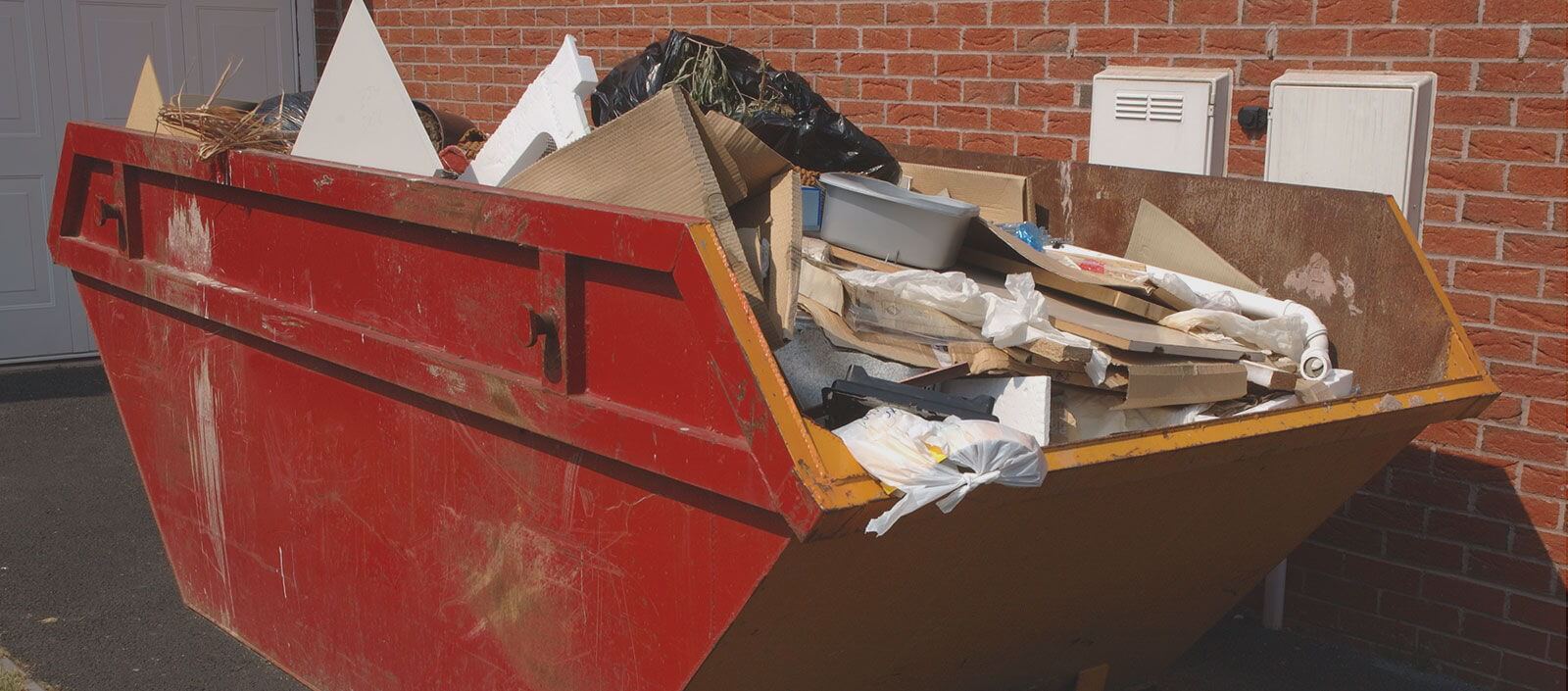
Lampton Road Hounslow garden waste rubbish collection guide
Posted on 09/05/2026

Lampton Road Hounslow Garden Waste Rubbish Collection Guide
If you live near Lampton Road, you already know how quickly garden waste can build up. A bit of pruning here, a weekend tidy-up there, and suddenly you have bags of grass cuttings, branches, soil, and old plant pots sitting by the fence. This Lampton Road Hounslow garden waste rubbish collection guide is here to make that job easier, cleaner, and a lot less stressful.
Whether you are clearing a small front garden, managing a back yard after a big trim, or dealing with a full seasonal cut-back, the right collection approach saves time and avoids the awkward "where do I put all this?" moment. It also helps you stay on the right side of local disposal rules, which matters more than many people realise. Below, you will find a practical local guide to how garden waste collection works, what to watch out for, and how to choose a reliable option that fits your needs. Simple enough, really. But there are a few details worth getting right.
Why Lampton Road Hounslow garden waste rubbish collection guide Matters
Garden waste sounds harmless enough, but once it starts piling up, it becomes more than a tidy-up task. Wet grass bags smell, branches take up room, and loose soil never seems to stay put. On a street like Lampton Road, where homes, driveways, and side access spaces can be tight, waste can quickly become a nuisance if it is not handled properly.
This is why a clear collection guide matters. It helps you decide what can be bundled, what needs separate handling, and what should be removed quickly rather than left to sit. It also reduces the risk of making disposal mistakes that lead to extra costs or rejected collections. To be fair, most people only think about garden waste when they are standing in a half-finished garden job with muddy gloves on and nowhere to put the clippings.
There is also a neighbourhood angle. Clean and well-managed waste keeps pavements, front gardens, and shared access areas looking better. If you are planning a bigger clear-up alongside other household jobs, it can be worth reading broader guidance too, such as the domestic waste collection options in Hounslow and the company's services overview. Those pages help you see how garden waste fits into the wider removal picture.
Key takeaway: garden waste collection is not just about getting rid of green material. It is about sorting, timing, access, and choosing a method that fits your property and workload.
How Lampton Road Hounslow garden waste rubbish collection guide Works
In practical terms, garden waste collection usually starts with separating green waste from general rubbish. That means leaves, grass cuttings, hedge trimmings, small branches, weeds, and plant material are kept apart from non-organic items such as broken tools, plastic trays, old fence panels, or bags of mixed household junk. That separation matters because different waste streams are handled differently.
For a typical Lampton Road property, the process is often straightforward:
- You identify the waste that needs removing.
- You decide whether it can be bagged, bundled, or loaded loose.
- You check whether any bulky or mixed items need separate disposal.
- You book a collection or removal slot that suits your timetable.
- The waste is lifted, sorted, and taken for appropriate processing or recycling.
Some customers prefer a one-off collection after a gardening project. Others want a same-day or short-notice removal because the pile is getting in the way. If you are on a deadline, perhaps because trades are coming in next morning, then speed becomes a real factor. For those situations, a general rubbish service such as rubbish collection in Hounslow can be useful, especially when you have mixed waste alongside garden debris.
Garden waste removal is also different from simply stuffing everything into a council bin. Larger loads, thorny cuttings, branches, turf, and soil often need a more tailored solution. That is where dedicated help, like garden waste removal in Hounslow, tends to make the process smoother.
Key Benefits and Practical Advantages
Good garden waste collection brings more benefits than people expect. It is not just about convenience, although that is certainly part of it. A proper collection can save you from multiple trips to a tip, avoid lifting heavy bags into a small car, and reduce the risk of soil or leaves spreading across the drive on a windy day. And honestly, nobody wants a boot full of damp hedge cuttings after a long afternoon.
Here are the main advantages:
- Less disruption: waste is removed in one go rather than sitting around for days.
- Better presentation: your frontage, path, or garden looks cared for sooner.
- Safer spaces: fewer trip hazards, sharp sticks, or blocked access areas.
- More efficient clear-ups: you can finish pruning or landscaping without the disposal headache.
- Improved sorting: recyclable organic waste is more likely to be handled properly.
There is a practical household benefit too. If you are renovating a garden, clearing an overgrown plot, or preparing a rental property for new occupants, fast removal helps the rest of the work move along. In that sense, it is not a side job at all. It supports the whole project.
For readers thinking beyond the garden, it may also help to compare how waste removal services are structured across property types. The company's waste removal service in Hounslow is a useful reference point for understanding broader collection choices.
Who This Is For and When It Makes Sense
This guide is useful for a wide mix of people. If you are a homeowner with a few shrubs and a lawn that needs regular trimming, you will want a simple and affordable way to keep green waste under control. If you are a landlord or letting agent, garden waste collection may be part of a wider property turnaround, especially after tenancy changes or end-of-lease tidying.
It also makes sense for:
- Busy families who do gardening at weekends and want waste gone quickly
- Older residents who would rather avoid lifting and loading heavy bags
- People doing one-off landscaping jobs
- Home movers clearing a property before handover
- Businesses with outdoor planting areas or frontage maintenance needs
If the garden job is small, you may only need a light collection. If it has spiralled into something bigger, you might need a combination of services. For example, after clearing a shed or sorting a loft as part of a bigger tidy-up, a service like house clearance in Hounslow can be a better fit than a garden-only solution.
And if your project is tied to the local area more broadly, some readers like to understand the neighbourhood context first. There is a useful local read here: local insights on living in Hounslow. It is not required, of course, but it gives a clearer picture of day-to-day life in the area.
Step-by-Step Guidance
If you want this to go smoothly, the best approach is to break it into manageable steps. Rushing usually causes the avoidable problems: mixed bags, forgotten items, blocked access, or a collection that turns into three separate piles because nobody sorted it first.
1. Separate garden waste from other rubbish
Start with the basics. Keep green waste apart from household rubbish, building debris, old furniture, and electrical items. Organic waste is usually easier to process when it is not mixed with plastics or general junk.
2. Identify bulky or awkward items
Branches, tree trunks, root balls, old sleepers, broken trellises, and fence pieces need special attention. They often take more room than expected. A pile that looks manageable from the kitchen window can be surprisingly stubborn once you get close to it.
3. Bag or bundle where sensible
Loose leaves and hedge trimmings can be bagged, while light branches may be bundled if that helps loading. Keep bags not overly heavy. A wet bag of cuttings gets heavy fast, and your back will remind you of that later.
4. Check access points
Think about where a van or crew can safely reach. Narrow side passages, shared paths, parked cars, and low garden gates all affect the collection approach. A little planning here saves a lot of running around later.
5. Choose the right service level
If you only have a few bags, a small collection may be enough. For a bigger clear-up, a full waste removal option is usually more efficient. If you are comparing service styles, you may want to look at builders waste disposal in Hounslow too, especially where your garden project includes soil, paving rubble, or dismantled hard landscaping.
6. Confirm collection timing and any restrictions
Ask what can be taken, how it should be prepared, and whether there are any access or loading limits. It is better to ask a slightly basic question now than discover a problem on collection day. Happens all the time.
Expert Tips for Better Results
A few small habits make garden waste collection much easier. In our experience, the neatest jobs are not necessarily the biggest ones; they are the ones where the waste has been sorted before the crew arrives. That tiny bit of prep saves real time.
- Dry waste where possible: if weather allows, let cuttings drain or dry a little before bagging. Wet material is heavier and messier.
- Keep soil separate: soil, turf, and stones behave differently from soft green waste and may need different handling.
- Cut long branches down: shorter lengths load more neatly and are easier to move through tight side access.
- Use sturdy bags: thin bags split at the worst moment, usually when you are carrying the third one and muttering under your breath.
- Leave a clear path: avoid placing bags behind bins, planters, or bikes if possible.
Another good habit is to plan your garden work backwards from collection day. If the removal is booked for Friday, try to finish cutting and bagging by Thursday evening. That one bit of timing means fewer half-finished piles and less last-minute stress.
If sustainability matters to you, it is worth checking how organic waste is handled after collection. A good place to start is the company's recycling and sustainability page, which explains the general approach to recovery and reuse.

Common Mistakes to Avoid
Most garden waste problems are not dramatic. They are just inconvenient. A few avoidable mistakes tend to come up again and again, though, and they are worth watching for.
- Mixing garden waste with general rubbish: this can slow collection and make recycling harder.
- Overfilling bags: heavy bags split and become awkward to move.
- Forgetting hidden waste: old plant pots, broken edging, and buried bits of timber often get missed.
- Leaving access blocked: parked cars or locked side gates can delay the job.
- Assuming all green waste is the same: turf, soil, branches, and clippings are not always treated identically.
One common overspend is booking a service that is too small for the amount you actually have. Another is the opposite: paying for more than you need because the load was not sorted properly. The sweet spot is in the middle, and a quick phone conversation or quote check usually sorts that out.
If you want to understand how pricing is typically approached before booking, take a look at pricing and quotes. It helps you compare options with fewer surprises.
Tools, Resources and Recommendations
You do not need a huge toolkit to manage garden waste well. Still, a few simple tools can make the task easier and safer.
| Tool or Resource | What it helps with | Why it matters |
|---|---|---|
| Heavy-duty garden bags | Collecting clippings and leaves | Reduces spills and bag splits |
| Pruning shears or loppers | Cutting branches to a manageable size | Makes loading quicker and safer |
| Wheelbarrow | Moving waste to the front or collection point | Saves repeated carrying |
| Dustpan, rake, and broom | Picking up loose debris | Leaves paths and patios cleaner |
| Local collection guidance | Understanding disposal options | Helps you choose the right service |
If your collection includes heavier household waste alongside garden material, a more general service may be sensible. That is where the company's domestic waste collection in Hounslow page can be useful. For mixed loads or larger clear-outs, it is often the most practical next step.
It can also help to understand the company behind the service. If you want a feel for how they work, the about us page and the waste carrier licence and compliance page are worth reading. They give useful reassurance, especially if you are comparing providers.
Law, Compliance, Standards, or Best Practice
Garden waste collection is not the place to be casual about disposal. In the UK, waste should be handled by a reputable carrier, and homeowners still have a responsibility to make sensible choices about who removes their rubbish. You do not need to become a legal expert, but you should check that any provider you use is properly registered and transparent about what they take.
Best practice usually includes:
- Using a licensed waste carrier
- Keeping waste streams separated where possible
- Making sure hazardous or specialist items are handled correctly
- Receiving clear terms before collection
- Avoiding fly-tipping risks by choosing traceable disposal routes
That last point really matters. If waste ends up dumped illegally, the original owner can face difficult questions. It is not worth the risk. A quick check now is far better than a headache later.
For safety, it is also sensible to consider how items are lifted and loaded, especially if there are awkward branches, broken tools, or slippery organic material involved. The company's insurance and safety information is useful if you want extra reassurance about standards and handling practices.
Options, Methods, or Comparison Table
There is no single best method for every Lampton Road property. The right choice depends on the size of the load, how mixed it is, and how quickly it needs to disappear. Here is a straightforward comparison.
| Method | Best for | Pros | Limitations |
|---|---|---|---|
| DIY tip run | Small, light loads | Can work for very minor waste | Time-consuming, lifting involved, may need several trips |
| Bagged council-style collection | Simple green waste only | Convenient if local rules fit your needs | May not suit bulky or mixed waste |
| Dedicated garden waste removal | Regular or one-off garden clear-ups | Flexible, faster, handles heavier volumes | Cost depends on load and access |
| General rubbish collection | Mixed waste with garden material | Useful when the job has spread beyond the garden | May be less focused on purely organic material |
For many local households, the sweet spot is a dedicated removal service that can also cope with the odd extra item. That might mean a few old fence panels, a broken planter, or a couple of bags of mixed rubbish that have been sitting in the corner of the shed for months. We have all been there, truth be told.
If your project has a stronger property-maintenance angle, you may also find the wider local reading on Hounslow's quieter side and same-day rubbish removal quotes on Hounslow High Street helpful for understanding service expectations nearby.
Case Study or Real-World Example
Imagine a terraced home near Lampton Road after a spring overhaul. The owner has cut back hedges, lifted a patch of old turf, and pulled out a few dead shrubs. By the end of the day, the garden looks much better, but the waste is a bit of a mess: several bags of clippings, a bundle of branches, muddy turf, and a few cracked pots.
At first glance, it looks like a simple bin-day job. But once you factor in the volume, the damp weight, and the awkward shape of the branches, it becomes clear that a proper collection is the easier option. The owner separates soil from green cuttings, bundles the branches, clears the side passage, and books a collection slot. The result? The garden is ready for new planting the next morning, and the path is clear again before the school run starts.
That kind of scenario is very common. The important thing is not the size of the garden. It is the mix of waste, the access, and how quickly you want the space back.
If the work forms part of a wider local property improvement plan, you may also appreciate the context in property investments in Hounslow and Hounslow property investment strategies. Different topic, yes, but it shows how presentation and upkeep affect local property value and appeal.

Practical Checklist
Before collection day, run through this quick checklist. It saves time, and it saves the small panic of discovering something was left in the wrong pile.
- Have I separated garden waste from general rubbish?
- Are branches, turf, soil, and clippings grouped sensibly?
- Have I removed any hazardous or specialist items?
- Is the access route clear for loading?
- Are bags strong enough and not overfilled?
- Have I confirmed what the collection includes?
- Do I know whether I need a garden-only or mixed waste service?
- Have I checked pricing, payment, and booking details?
- Is there enough space at the front or side of the property for the team to work safely?
- Have I kept any useful compostable material aside if I want to reuse it?
If you want to explore practical service details in advance, the pages on payment and security and terms and conditions are worth a quick read before booking. It is just good housekeeping, really.
Conclusion
A well-planned garden waste collection makes a surprising difference. It keeps your Lampton Road property tidy, prevents waste from lingering longer than it should, and helps you get on with the actual gardening rather than the aftermath. The key is simple: sort the waste properly, choose the right collection method, and use a provider that is clear about safety, compliance, and disposal standards.
If you are facing a small seasonal tidy-up or a much bigger outdoor clear-out, the smartest next step is to match the service to the job rather than forcing the job to fit the service. That small shift tends to save time, effort, and a bit of money too.
Get a free quote today and see how much you can save.
And if you are still deciding, take your time. A decent collection plan should make life easier, not more complicated. That is the whole point, after all.