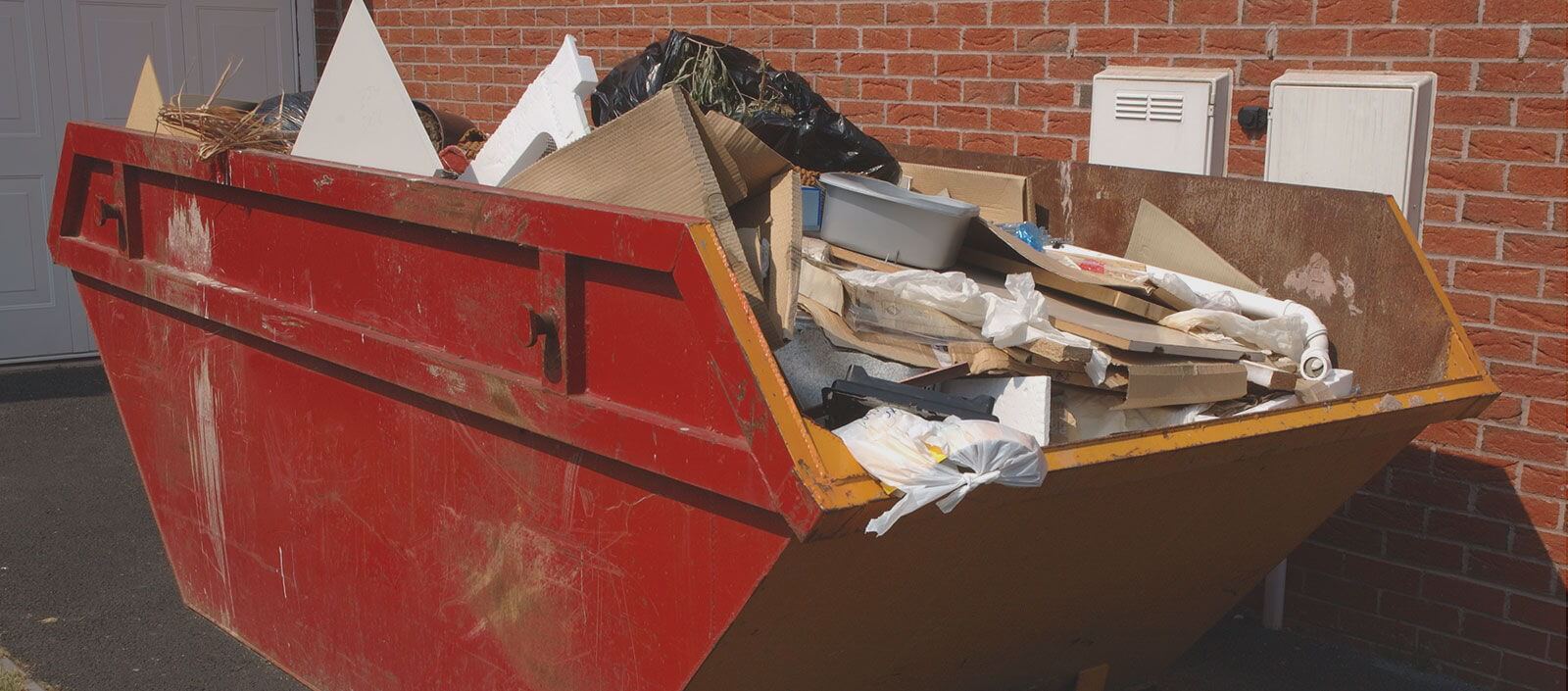
What to know about waste permits in London Borough of Hounslow
Posted on 19/08/2026

If you are planning a skip, a street-side collection, a house clearance, or any job that produces a serious amount of rubbish, waste permits in the London Borough of Hounslow can make the difference between a smooth project and a frustrating one. And yes, the details can feel a bit fiddly at first. But once you understand the basic rules, it becomes much easier to plan properly, avoid delays, and stay on the right side of local requirements.
This guide explains what waste permits are, when they matter, how they usually work, and what practical steps you should take before you book any waste-related work in Hounslow. It also covers common mistakes, compliance points, and the little real-world issues people often only notice on the day, when the lorry is already outside and everyone is looking at the pavement like it might solve the problem.
Expert summary: waste permits are not just paperwork. They are part of safe, lawful waste handling in a busy borough. If your rubbish, skip, or collection will use public space, affect access, or involve a regulated waste activity, checking the permit side early can save time, money, and a fair bit of stress.
Why waste permits in Hounslow matter
Waste permits matter because waste does not exist in a vacuum. In Hounslow, as in most busy London boroughs, rubbish work can affect pavements, roads, loading spaces, driveways, shared entrances, and neighbours' access. A permit or licence is often there to make sure that waste is handled safely and that any impact on the public highway is controlled.
That sounds formal, but in everyday terms it usually means this: if your skip, bin, or collection vehicle needs to occupy public space, there may be a requirement to get permission first. If you skip this step, you may face delays, extra fees, or a job that simply cannot go ahead as planned. Not ideal when you have builders waiting, a tenancy handover on Friday, or a garage full of old furniture that has already outstayed its welcome.
There is also a wider community angle. Hounslow has a mix of residential streets, flats, estates, shops, and commercial premises, so access and cleanliness matter. People notice when waste is left awkwardly on the kerb, when collection times block a narrow road, or when bulky items sit around too long. A permit helps create a clearer framework for doing the job properly.
If you are also planning a larger clear-out, it can help to think beyond the permit itself and look at the full waste journey. For instance, some readers find it useful to review broader service options like the full service overview before deciding whether the job needs a skip, a scheduled collection, or a tailored clearance approach.
And to be fair, there is a second reason this topic matters: cost control. People often assume the cheapest quote is the best quote, then discover there are permit-related costs, access issues, or compliance requirements that change the picture. A bit of early checking can avoid that awkward moment later.
How waste permits in Hounslow work
In plain English, a waste permit is permission to carry out a waste-related activity under certain conditions. The exact requirement depends on what you are doing, where the waste will be placed, and how it will be collected or transported. In Hounslow, the main question is usually whether the waste activity touches public land, local access routes, or a regulated waste transport arrangement.
There are a few common scenarios:
- Placing a skip on a public road or pavement: this often needs approval before it can happen.
- Using a waste carrier: the operator should have the right licensing and compliance in place.
- Private property only: if everything stays fully on private land, permit requirements may be different, but access and safety still matter.
- Commercial or mixed-use sites: these can be more complex because delivery vehicles, loading bays, and shared areas may all be involved.
In practice, the permit process usually starts with a simple check: where will the waste container, vehicle, or materials be positioned? If the answer includes a road, pavement, parking bay, or other public space, that is the point where permit questions become relevant. If you are unsure, it is far better to pause and confirm than to assume everything will be fine. Assumptions and waste management do not get along all that well.
For homeowners and landlords, the permit issue often appears during refurbishment, end-of-tenancy clear-outs, or major garden work. If you are dealing with builders' waste, for example, you may want to look at builders waste disposal in Hounslow so you can match the right disposal route to the site conditions.
For businesses, the same logic applies, but with more moving parts. Office moves, stock clearances, and repeat commercial collections can all create access and timing issues. That is why some businesses first review commercial waste removal in Hounslow before deciding how to schedule a permit-dependent job.
One important practical point: permits and waste carrier compliance are related, but not the same thing. A permit governs the use of space or the local arrangement. Waste carrier compliance covers the lawful transport and handling of waste. Both matter. Both can be checked. And both can become a problem if ignored.
Key benefits and practical advantages
Although waste permits can feel like an extra hoop to jump through, they actually offer some useful benefits when you step back and look at the whole job.
- Fewer delays: if permission is in place before the work starts, you are less likely to face last-minute hold-ups.
- Less risk of penalties or disputes: proper permissions reduce the chance of being challenged over how waste is stored or moved.
- Better site safety: controlled placement helps protect pedestrians, neighbours, vehicles, and workers.
- Cleaner planning: you can line up the skip, vehicle, or clearance crew with confidence.
- More professional project management: especially useful for landlords, facilities teams, and contractors with multiple jobs running at once.
There is also an underrated benefit: peace of mind. It sounds simple, but knowing that the logistics are sorted means you can focus on the actual clean-up or refurbishment. You do not spend the morning wondering whether someone will report the skip, or whether the crew will have to park half a street away and carry everything through three locked doors. That stuff adds up fast.
For households in busy parts of the borough, convenience is often just as important as compliance. If your waste is bulky or awkward, a well-planned collection can be more efficient than several car loads or an improvised pile-up in the garden. For example, readers dealing with sofas, wardrobes, or old bed frames often find it useful to look at furniture removal in Hounslow rather than trying to handle everything in stages.
And if garden waste is the issue, the planning problem is slightly different again. Green waste is usually straightforward, but access, loading, and timing still matter. A helpful starting point is garden waste removal in Hounslow, especially where piles of clippings and branches are building up after a long weekend of work.
Small practical truth: the best waste jobs are the boring ones. No panic, no drama, no "we'll sort it on the day" improvisation.
Who needs this and when it makes sense
Waste permits are not only for contractors or big commercial sites. They are relevant to a surprising mix of people and situations.
- Homeowners planning renovations, loft clearances, or major garden work.
- Landlords handling end-of-tenancy clearances or post-refurbishment waste.
- Letting agents and property managers coordinating move-outs and maintenance jobs.
- Builders and tradespeople using skips or collection vehicles on constrained streets.
- Businesses clearing offices, stock rooms, or customer areas.
- Residents in flats or estates where access, shared spaces, and loading times are tightly managed.
It makes sense to think about permit requirements whenever the waste job affects a shared environment. In a detached house with a private drive, the answer may be simpler. In a terrace on a narrow road, it is often more complicated. In a flat above a shop near a busy parade, well, that is when you start needing proper planning, maybe a bit of patience, and a decent cup of tea while you wait for the lift.
If you are a resident who wants the waste taken away without fuss, domestic collections can be a practical route. Many people start by reviewing domestic waste collection in Hounslow or rubbish collection in Hounslow to understand what type of service fits the job.
There is also a timing issue. Some jobs are urgent, some are not. If you are working to a moving day, an end-of-tenancy deadline, or a builder's start date, early permit planning becomes much more valuable. The same is true for businesses trying to avoid disruption during trading hours.
Step-by-step guidance
If you want to handle waste permits properly in Hounslow, use a simple process. It keeps the job manageable and helps you spot problems early.
- Define the waste activity. Are you using a skip, arranging a one-off clearance, or booking repeated collections?
- Check where the waste will go. Private drive, shared yard, roadside, pavement, parking bay, or loading area?
- Confirm access constraints. Think about width, height, turning space, gated entrances, time restrictions, and neighbour access.
- Identify who is responsible. Is it you, the landlord, the contractor, or the waste company?
- Review licensing and compliance. Make sure the waste carrier is properly set up and that disposal will be lawful.
- Ask about the permit side early. Do not leave it until the day before. That is how headaches happen.
- Plan the load and timing. The more accurately you estimate volume, the easier it is to avoid unnecessary repeat trips.
- Keep records. Save quote details, service terms, and any written confirmation about responsibilities.
A practical example helps here. Imagine a loft clearance where old cupboards, boxes, and broken shelving are coming out of a terraced property. If the crew needs to park on the street and the area is tight, permit or licence considerations need to be checked before the clearance starts. If the access turns out to be narrower than expected, the whole process can slow down. This is one reason people often use a dedicated loft clearance service in Hounslow rather than treating it as a casual weekend project.
For office or commercial clear-outs, the same structure applies but with more stakeholders. A simple chain of responsibility helps: who approved the job, who controls the access, who is responsible for the waste transfer, and who will be on site when the collection happens? If those answers are clear, the chance of a permit issue drops sharply.
And if you are dealing with larger, mixed waste, you may want to compare clearance types before booking. That is often where house clearance or office clearance in Hounslow becomes the more sensible option.
Expert tips for better results
Here are the things that make a noticeable difference in the real world, not just on paper.
- Measure access properly. A few centimetres can matter when a skip lorry, van, or loading trolley has to fit through a narrow approach.
- Book in the right order. Permission, access, and waste removal should line up together. Not one after another by accident.
- Use clear photos. If you are requesting a quote or explaining the site, photos of the access point, waste pile, and street view can be incredibly helpful.
- Ask who handles the permit. Some operators handle the admin; others expect the customer to arrange part of it. Know which is which.
- Think about neighbours. In shared buildings, a polite heads-up can prevent complaints about noise, parking, or blocked entrances.
- Separate the waste early. Recyclables, bulky items, and mixed rubble are easier to handle when sorted before collection day.
One slightly boring but very useful habit is to keep all job details in one message thread or folder. Quote, timing, access notes, and payment terms. Done. If something changes, you have a clean record instead of five scattered texts and a half-finished note on your phone that says "call Dave re bin thing". We have all seen that version of organisation.
If sustainability matters to you, it is worth choosing a provider or method that prioritises sorting and recycling where possible. A sensible place to start is recycling and sustainability, because good waste management should do more than just make rubbish disappear.
For payment and booking confidence, it is also wise to understand how charges are presented and what is included. Some jobs are straightforward, others depend on access, load type, and timing. That is where pricing and quotes can help you compare like for like.

Common mistakes to avoid
Most waste permit problems are not dramatic. They are small mistakes that snowball.
- Leaving it too late. The number one mistake. If permission is needed, late action can stall the whole job.
- Assuming a private property means no checks are needed. Access routes, shared spaces, and parking still matter.
- Underestimating the amount of waste. A small-looking pile can turn into a full load once it is broken down.
- Not confirming responsibility. Everyone thinks someone else sorted the permit, and nobody did.
- Ignoring access restrictions. Flats, estates, and narrow roads often need extra planning.
- Choosing a provider without checking compliance. A cheap price is not useful if the waste handling is not lawful.
There are also some less obvious issues. For example, mixed rubbish can create delays if people have not separated items that need different treatment. A job might start as a quick clear-out and then become a sorting exercise in the rain. Not fun. The smell of damp cardboard in a back lane on a grey afternoon is enough to remind anyone that waste planning is not glamorous, but it does matter.
If you want to avoid hidden charges, keep an eye on how access, loading time, and waste type are described in the quote. A useful supporting read is how to avoid hidden rubbish removal fees in Hounslow TW3, which speaks directly to the sort of cost surprises people dislike most.
Another common mistake is booking the wrong type of service for a job that is more complicated than it first appears. A quick collection can be perfect for a few bulky items, but if you have several rooms of mixed waste, a more comprehensive clearance may be better.
Tools, resources and recommendations
You do not need a huge toolkit to manage waste permits well. You need the right information, collected early.
- Site photos: take clear pictures of access points, parking, waste piles, and any obstacles.
- Measurements: width of gates, height restrictions, stair access, and loading space.
- Job notes: record the type of waste, expected volume, and timing constraints.
- Responsibility list: note who is arranging the permit, who is paying, and who is on site.
- Service comparisons: compare clearance, collection, and specialist disposal options before you commit.
For many readers, the most useful resource is simply a better understanding of the waste route from start to finish. If you are dealing with household clutter, old chairs, or worn-out sofas, you may want to explore furniture disposal in Hounslow as a practical example of how a specific waste stream is handled.
If you are clearing white goods or appliances, there can be extra handling considerations because of weight and material type. In that case, white goods and appliance disposal in Hounslow is a sensible route to review before the job starts.
A simple recommendation: if the job feels even slightly complicated, get the logistics checked before the waste starts moving. That one habit prevents more stress than people expect.
Law, compliance and best practice
Waste permits sit inside a wider compliance picture. The exact legal position depends on what the work is, where it happens, and who is transporting the waste. You do not need to become a legal expert, but you do need to understand the general principles.
Best practice usually includes the following:
- Use a properly licensed waste carrier. This is essential for lawful collection and transport.
- Make sure any required permit or permission is in place before the job begins.
- Keep evidence of disposal arrangements. Records protect everyone if questions come up later.
- Follow site rules and local access conditions. Especially in shared residential and commercial settings.
- Separate hazardous or unusual waste where necessary. Do not mix items if they require different handling.
In a borough like Hounslow, compliance is not just about formal paperwork. It is also about good neighbour management, traffic awareness, and protecting public spaces. A crew that blocks a dropped kerb, leaves waste near a fire exit, or creates avoidable obstruction is creating a problem even if the pile itself looks tidy.
For readers who want a deeper sense of the company standards behind waste handling, the page on waste carrier licence and compliance is especially relevant. It helps frame why licensing and disposal records matter before any collection goes ahead.
Key compliance takeaway: permit issues, carrier licensing, and safe loading are connected. Treat them as one job, not three separate tasks.
Options and comparison table
Choosing the right route depends on site conditions, waste volume, and how much control you want over the timing. Here is a simple comparison to help you think it through.
| Option | Best for | Permit sensitivity | Practical note |
|---|---|---|---|
| Skip on private land | Driveways, yards, larger private spaces | Lower, but still check access and placement | Convenient when there is space and the waste can build up over time |
| Skip on public highway | Properties without enough private space | Higher | Usually the type most likely to involve permit questions |
| One-off rubbish collection | Bulky items, small-to-medium clear-outs | Medium | Good for speed and simplicity if access is straightforward |
| Full house or office clearance | Large, mixed, or multi-room jobs | Medium to high | Useful when sorting, lifting, and loading all need to be managed together |
If you are not sure which option suits your situation, compare the job against access, urgency, and waste type rather than just size. A small flat clearance can be trickier than a larger house if the lift is unreliable and parking is tight. Strange, but true.
Case study or real-world example
Here is a realistic scenario drawn from the kind of jobs people in Hounslow often face.
A landlord in a terraced street needs to clear a property after a tenancy ends. The contents include old furniture, mixed household rubbish, and a few bulky items from the shed. The street is narrow, parking is limited, and the nearest collection point is a shared access road. At first, the plan seems simple: book a collection and be done with it.
Once the access details are checked, though, the picture changes. The team realises that the vehicle cannot wait in the most obvious spot without causing disruption. The landlord also wants the job done before new cleaners arrive. So the schedule is adjusted, the access plan is confirmed, and the waste route is chosen with the space constraints in mind. It is a small amount of extra admin, but it prevents a much bigger headache on the day.
In situations like this, people often pair clearance planning with one of the more specific service pages, such as house clearance in Hounslow or, where the items are mostly bulky domestic pieces, furniture removal in Hounslow.
The key lesson? The best outcome usually comes from treating access and permit questions as part of the quote stage, not as a side issue. Once that is sorted, the rest of the job tends to feel much lighter.
Practical checklist
Use this checklist before you book waste work in Hounslow:
- Have I confirmed whether the waste will use public space?
- Do I know who is responsible for any permit or permission?
- Have I checked access width, loading space, and restrictions?
- Is the waste carrier properly licensed and compliant?
- Have I described the waste type accurately?
- Do I understand the timing and any deadline pressure?
- Have I asked about possible extra charges or access limitations?
- Do I have photos or measurements ready if needed?
- Have I considered neighbours, parking, and shared entrances?
- Is the chosen service suited to the amount and type of waste?
If you can tick those off, you are already ahead of many people. Honestly, that is half the battle.
Get a free quote today and see how much you can save.
Conclusion
Waste permits in the London Borough of Hounslow are really about making waste work safely, lawfully, and with as little disruption as possible. Once you understand when permits matter, who is responsible, and how access affects the job, the process becomes much easier to manage.
The main thing to remember is simple: check early, confirm responsibility, and choose the waste route that fits the site rather than forcing the site to fit the waste. That approach saves time, reduces stress, and helps you avoid the sort of small problems that become big ones by Friday afternoon.
Whether you are clearing a flat, scheduling a skip, handling builders' waste, or sorting a commercial collection, the right preparation makes all the difference. And in a place as busy and varied as Hounslow, a little planning goes a long way. A very long way, actually.
Take it step by step, keep the details clear, and you will be in a much stronger position from the start.